

close
Choose Your Site
Global
Social Media
Views: 0 Author: Site Editor Publish Time: 2026-01-28 Origin: Site

Thermal bonded footballs are revolutionizing modern football manufacturing, offering players unmatched performance, durability, and consistency. Unlike traditional stitched balls, these seamless footballs resist water, maintain shape, and provide predictable flight paths for passing, shooting, and dribbling. Clubs, coaches, and recreational players increasingly prefer thermally bonded balls for training and professional matches. In this article, we explore how thermal bonding technology transforms panel design, enhances aerodynamics, and impacts customization, quality standards, and market trends, helping you choose the right football for every level of play.
Traditionally, football panels were sewn using polyester or Kevlar threads. Each panel joined carefully, creating the familiar stitched look.
Pros of hand-stitched balls:
Flexible, easy to control.
Classic feel that many players love.
Affordable to produce in smaller batches.
Cons of hand-stitched balls:
Absorb water during rain, becoming heavy.
Seams disrupt aerodynamics, causing unpredictable flight.
Wear and tear appear faster, especially on rough surfaces.
| Feature | Hand-Stitched Footballs | Thermally Bonded Footballs |
|---|---|---|
| Seams | Visible, stitched | Seamless, heat-fused |
| Water Resistance | Moderate | High |
| Durability | Moderate | High |
| Aerodynamics | Uneven | Consistent |
| Feel | Classic | Smooth, controlled |
Then came thermal bonding. It changed football manufacturing entirely. Instead of sewing, manufacturers started using heat and pressure to fuse panels. This process created seamless surfaces. Panels now fit perfectly together without threads. The smooth surface reduces drag and keeps water out.
It isn’t just about looks. Seamless panels improve flight accuracy, provide consistent bounce and roll, and last longer under harsh conditions. Players immediately notice the difference: passing feels smoother, shooting is more precise, and control stays consistent even in wet weather.
Thermal bonding isn’t just a fancy manufacturing term. It actually changes how footballs perform, last, and feel. Players and coaches notice the difference instantly.
Seamless surfaces improve aerodynamics dramatically. No visible stitches means air flows smoothly, helping balls:
Fly straighter and faster.
Keep consistent flight paths for passing and shooting.
Absorb less water → stays lighter in wet conditions.
| Feature | Hand-Stitched | Thermally Bonded |
|---|---|---|
| Aerodynamics | Uneven | Smooth, predictable |
| Water Resistance | Moderate | High |
| Flight Accuracy | Varies | Consistent |
Players often report better control and precision, especially during rainy or high-speed matches.
Thermally bonded footballs are tougher than stitched ones. They resist wear and tear from frequent matches, maintain their shape longer which reduces replacements, and support sustainability by lasting more seasons. Think of it as investing once instead of buying multiple balls every season.
The seamless design doesn’t just benefit stats—it improves how it feels on your foot. It offers a smoother, more consistent touch, delivers reliable performance across professional, amateur, and casual games, and gives players confidence in passing, shooting, and dribbling, regardless of weather.
| Player Level | Hand-Stitched Experience | Thermally Bonded Experience |
|---|---|---|
| Professional | Slight drag in high-speed shots | Precise flight and touch |
| Amateur | Inconsistent bounce | Reliable performance |
| Recreational | Heavy in rain | Light and responsive |
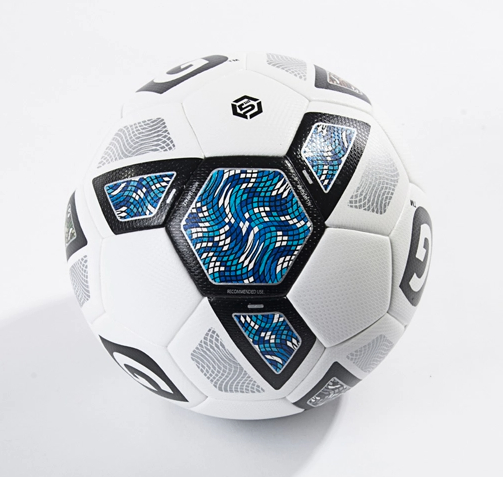
Choosing the right thermally bonded football isn’t just about brand or price. Several features determine how it performs, lasts, and feels on the field. Knowing them helps players and coaches make smart decisions.
Panels usually come in TPU (thermoplastic polyurethane) or PU (polyurethane).
TPU: Lightweight, durable, resistant to abrasion. Feels firm yet responsive.
PU: Softer, offers a premium touch, slightly heavier, excellent for precise control.
The choice affects durability, feel, and flight consistency.
The number, shape, and arrangement of panels impact trajectory and control.
More panels → smoother curves, better touch.
Fewer panels → faster ball speed, predictable flight.
Modern thermal bonding ensures perfectly aligned panels for uniform performance.
| Panel Count | Flight Characteristics | Typical Use |
|---|---|---|
| 32 Panels | Balanced, classic control | Professional leagues |
| 26 Panels | Smoother, slightly faster | Training / amateur |
| 18 Panels | Maximum speed, stable flight | High-level competitions |
Seamless thermal bonding is only effective if done properly. Look for smooth, even seams without gaps, uniform bonding across all panels, and strong adhesion that resists peeling or cracking. These factors directly affect durability and aerodynamics.
The ball’s core influences bounce, air retention, and feel.
Latex bladder: Softer touch, high rebound, requires frequent inflation.
Butyl bladder: Retains air longer, slightly firmer, ideal for long-term use.
Players choose based on personal preference and usage frequency.
Always check that the ball meets official regulations for your age or league:
Size 5: Standard adult / professional.
Size 4: Youth, under 12 years old.
Size 3: Kids, under 8 years old.
Weight must fall within FIFA-approved ranges for fair play.
| Age Group | Recommended Size | Weight Range |
|---|---|---|
| Adults | 5 | 410–450 g |
| Youth 9–12 | 4 | 350–390 g |
| Kids <8 | 3 | 300–320 g |
Thermal bonding gives footballs superior performance, but testing ensures they actually deliver on the promise. Professional leagues rely on strict quality standards to guarantee fairness and safety.
Most top-tier thermally bonded balls carry either:
FIFA Quality: Basic performance standard for training and amateur matches.
FIFA Quality Pro: Higher standard for professional competitions, including World Cup-level matches.
These certifications confirm that a ball passes rigorous performance, durability, and safety tests.
Thermally bonded footballs undergo multiple tests to measure their reliability:
Water Absorption: Ball is exposed to water, then weighed. Minimal water uptake ensures consistent weight and play in wet conditions.
Shape Retention: Ball is repeatedly compressed. It should bounce back to its original roundness, ensuring accurate passing and shooting.
Air Retention: Ball is inflated and monitored over time. A well-sealed bladder ensures stable bounce and pressure during games.
Flight Trajectory & Rebound Performance: Ball is dropped and kicked to measure bounce consistency, swerve, and flight path.
| Test | Requirement | Purpose |
|---|---|---|
| Water Absorption | < 10% weight increase | Maintains ball weight in rain |
| Shape Retention | < 2% deformation | Ensures accurate flight and control |
| Air Retention | Minimal pressure loss over 72 hours | Keeps consistent bounce |
| Flight Trajectory | Must follow predictable curve | Enhances passing and shooting accuracy |
| Rebound | Within 5% variation | Consistent performance for all players |
In professional matches, even small variations in ball behavior can affect outcomes. Teams rely on balls that:
Fly predictably on every pass and shot.
Keep the same feel in rain, sun, or cold conditions.
Maintain air pressure and roundness throughout play.
For thermally bonded footballs, rigorous testing ensures they meet player expectations and official standards, making them ideal for high-level competitions.
Thermal bonding improves aerodynamics, reduces water absorption, and ensures consistent flight paths, making passing, shooting, and control more reliable.
Panels are usually made from TPU (thermoplastic polyurethane) or PU (polyurethane), each offering a balance between durability, touch, and control.
Yes, high-quality thermally bonded balls are manufactured to comply with FIFA regulations for size, weight, and age group requirements.
They absorb less water due to the seamless panels, so they stay lighter, maintain bounce, and provide consistent handling even in rain.
Thermally bonded footballs have truly changed the game, offering smoother control, reliable flight, and lasting durability that players immediately feel. Whether you’re training, competing, or just playing for fun, the difference in performance is noticeable from the first touch.
At Elite Co., Ltd., we specialize in producing high-quality thermally bonded footballs designed for every level of play. Explore our range to experience innovation, precision, and consistency in every kick—upgrade your game and feel the future of football today!


