

close
Choose Your Site
Global
Social Media
Views: 0 Author: Site Editor Publish Time: 2026-01-28 Origin: Site

Soccer balls are more than just leather and air. They are carefully engineered tools that affect every pass, dribble, and shot. Thermal bonded footballs are at the forefront of modern football technology. They combine material science, precision manufacturing, and design innovation to improve playability. We’re diving into how they work, why players love them, and what makes them last longer on the pitch.
The manufacturing process is precise. Here’s how they make it:
| Step | What Happens |
|---|---|
| Panel Cutting | Panels shaped to exact dimensions. |
| Assembly | Panels placed over bladder. |
| Heat & Pressure | Adhesive melts, fusing panels. |
| Cooling | Seams solidify, shape locked. |
| Finishing | Graphics, texture, and grip added. |
The heat and pressure bond panels into a uniform surface. Fewer seams reduce drag. Water can’t seep in easily. It also makes balls more durable and reliable under repeated use.
Players choose these balls for many reasons. Here’s what they get:
Aerodynamics: The smooth, seamless surface reduces drag, allowing the ball to fly straighter and faster. This makes shots, passes, and long balls more predictable and easier to control.
Water Resistance: Unlike stitched balls, thermal bonded footballs absorb very little water. They keep their weight and bounce consistent, even on wet pitches, so your game isn’t slowed by rain.
Durability: The heat-fused panels create fewer weak points. These balls withstand rough surfaces, repeated kicks, and harsh weather, giving them a longer lifespan than traditional stitched balls.
Consistent Performance: The ball maintains its shape, bounce, and flight characteristics over time. Players can rely on consistent behavior during every pass, shot, or dribble.
Improved Touch: The uniform surface and optimized textures provide better grip and control. This helps players execute precise dribbles, passes, and accurate shots with confidence.
Eco-Friendly Options: Many modern thermal bonded footballs use recycled or sustainable materials. This reduces environmental impact while still delivering top-tier performance.
They are ideal for training, competitive matches, and recreational play, giving players confidence in both practice and on the big stage.
The way a football moves through the air depends on panel count, seam placement, and surface texture. These elements influence flight, spin, and drag, affecting every pass, shot, and cross.
Fewer seams = smoother airflow: With less interruption on the surface, the ball experiences reduced turbulence. It flies straighter and behaves more predictably during long passes and shots.
Thermal bonding = less drag, straighter shots: Heat-fused panels create a seamless exterior. This not only improves aerodynamics but also helps players hit their target with more accuracy.
Textured surfaces improve grip and predictability: Tiny dimples or embossed patterns allow players to control the ball better, even in wet or windy conditions. Dribbles, spins, and curving shots become easier to execute reliably.
Professional players notice these differences immediately, especially during fast-paced games where precision and control are essential.
Selecting a football isn’t just about brand or price. The right ball should match your playing style, the surface you play on, and your skill level, which can significantly enhance both performance and enjoyment. The material of the panels is one key factor—PU (polyurethane) and TPU (thermoplastic polyurethane) are common choices, offering durability, abrasion resistance, and a natural touch. Higher-quality materials also help the ball maintain its shape over time. Panel design is another consideration; balls with fewer panels have reduced seams, which improves flight stability and reduces drag, while designs with more panels may provide slightly better control depending on your preference.
The bladder inside the ball also matters: latex bladders offer a softer, more responsive feel but require more frequent inflation, whereas butyl bladders retain air longer and provide consistent bounce, making them ideal for training or match play. Additionally, size and weight must comply with league or age regulations, as a ball that is too heavy or too small can negatively affect accuracy, control, and safety. Finally, the playing surface impacts wear and ball behavior—grass, artificial turf, or indoor courts all require different types of balls to maximize performance and longevity. Pairing the right ball with your playing conditions can greatly improve control, passing accuracy, and shot consistency while extending the ball’s lifespan.
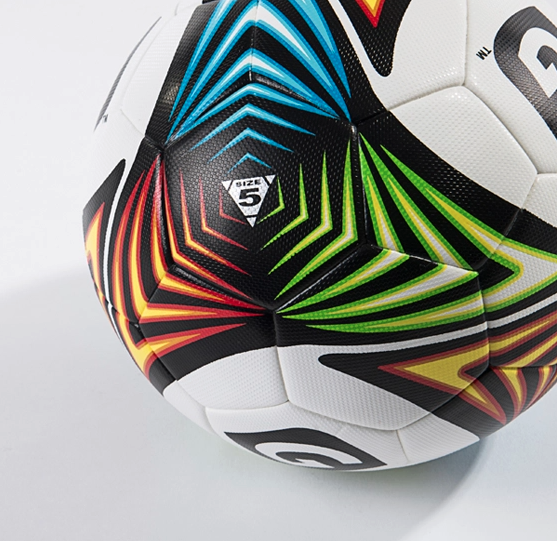
Proper care is essential to keep a thermal bonded football performing at its best. Even simple steps can make a noticeable difference in longevity and gameplay.
Inflation: Always use the manufacturer’s recommended pressure. Over-inflating can damage the ball, while under-inflating affects bounce and control. A pressure gauge helps ensure consistency for every game.
Cleaning: After each use, wipe the ball with a damp cloth. Mild soap can remove stubborn dirt, but harsh chemicals or abrasive cleaners may damage the surface or texture. Regular cleaning also keeps the graphics and patterns intact.
Storage: Store your football in a cool, dry area, away from direct sunlight or heat sources. Excessive heat can warp the panels or dry out the bladder, while cold conditions may make the ball less responsive.
Playing Surface: Avoid playing on rough, rocky, or abrasive areas, which can scratch or damage the outer panels. Grass or well-maintained turf is ideal, as it preserves both shape and surface quality.
Inspection: Regularly check for cuts, tears, or loose panels. Early detection allows for minor repairs before issues worsen, helping the ball maintain its performance and safety over time.
Following these simple care routines ensures that your ball retains shape, touch, and durability season after season, giving consistent performance game after game.
Even high-quality thermal bonded footballs can face small problems over time, but most are easy to prevent or fix.
Surface Scratches: These usually result from rough surfaces, cleats, or accidental contact with hard objects. While they don’t usually affect performance, avoiding abrasive areas keeps the ball looking and feeling new.
Inflation Issues: If the ball loses air quickly, check the valve and bladder for leaks. Ensuring proper inflation maintains optimal bounce, control, and flight behavior during play.
Color Fading: Prolonged exposure to sunlight can fade the panels, making the ball look worn out. Storing the ball in a shaded or indoor space when not in use helps preserve its vibrant appearance.
Shape Deformation: Rarely, extreme impact or repeated high-pressure kicks can cause slight bulging or warping. Most shape issues are prevented through correct inflation, careful play, and proper storage.
Most problems are preventable with regular care, proper storage, and mindful use, allowing your football to perform reliably and last longer.
The future of footballs is full of exciting possibilities. Smart balls are becoming more common, equipped with sensors that track speed, spin, and impact. This technology allows players and coaches to analyze performance, refine techniques, and gain insights into game dynamics. At the same time, manufacturers are increasingly focusing on sustainable materials, using recycled PU and eco-friendly production methods to reduce environmental impact without sacrificing quality or durability.
Advances in aerodynamics are also transforming ball design; new textures, fewer panels, and precise surface patterns improve flight stability, control, and predictability. Finally, customization is on the rise, enabling players and teams to personalize balls with unique colors, logos, and designs that reflect their style and identity. In the coming years, we can expect footballs that are smarter, more sustainable, and designed to deliver consistently high performance, taking both training and competitive play to a new level.
Thermal bonding reduces seams, which lowers drag and allows the ball to fly straighter and faster. It also improves grip, touch, and consistency in all weather conditions.
Consider panel material, panel count, bladder type, size, weight, and your playing surface. Matching the ball to your skill level and conditions improves control, accuracy, and durability.
Keep it inflated to the recommended pressure, clean it with a damp cloth, store it in a cool, dry place, play on suitable surfaces, and regularly inspect for cuts or loose panels.
Typical issues include surface scratches, inflation problems, color fading, and rare shape deformation. Most problems can be prevented through proper care and mindful use.
Future trends include smart balls with sensors, advanced aerodynamics with new textures and fewer panels, increased customization, and more sustainable materials for high-performance footballs.
Thermal bonded footballs are changing the way we play. They deliver smoother flight, better control, and consistent performance no matter the conditions, making every pass, shot, and dribble feel sharper. Whether you’re training, playing in a league, or just having fun, the right ball can make a real difference.
Elite Co., Ltd. offers a range of high-quality thermal bonded footballs designed for durability, precision, and comfort. Explore their collection and feel the difference on the pitch yourself!


