

close
Choose Your Site
Global
Social Media
Views: 0 Author: Site Editor Publish Time: 2026-01-28 Origin: Site

A Thermal Bonded Football changes the game by combining durability, water resistance, and precise performance. Unlike traditional hand-stitched or machine-stitched soccer balls, thermal bonded balls feature seamless panels that improve flight, control, and consistency in all conditions. Curious about how these balls compare in touch, feel, and professional use? In this guide, we’ll break down the key differences, explore materials, testing standards, and reveal why elite teams increasingly prefer thermal bonded footballs over conventional stitched options.
When it comes to choosing a football, how it’s made changes everything—from durability to feel on the pitch. Thermal bonded footballs and traditional stitched balls each have their strengths, but they behave differently during play.
Thermal bonded panels are fused under heat and pressure. They resist splitting, scuffing, and heavy impacts.
Hand-stitched balls are durable too, but their seams can weaken over time. Moisture or rough play may cause threads to fray.
They last long, but they need careful storage.
| Feature | Thermal Bonded | Hand-Stitched |
|---|---|---|
| Panel Connection | Fused, seamless | Stitched threads |
| Resistance to Wear | Very high | Moderate |
| Maintenance | Low | Higher |
| Lifespan | Longer under heavy use | Depends on care |
Thermal bonded balls are built to handle wet conditions. They absorb almost no water, keeping weight and size consistent.
Stitched balls, on the other hand, can soak up water through seams. They get heavier, harder to control, and feel “sloppy” in rainy games.
You’ll notice the difference especially after a few minutes of rain.
Stitched seams = water penetration, uneven weight
The way a ball feels affects control and confidence on the field.
Thermal bonded balls feel firmer, giving precise touches for passing and shooting.
Hand-stitched balls are softer, which some players prefer for dribbling and skill practice.
Tip: Use thermal bonded for fast-paced games and professional matches. Hand-stitched works well in training or technique drills.
Seamless construction changes how the ball moves through air.
Thermal bonded balls glide smoothly. They fly predictably, making passes, crosses, and shots easier to control.
Stitched balls face more air drag at the seams, which can slightly alter their trajectory.
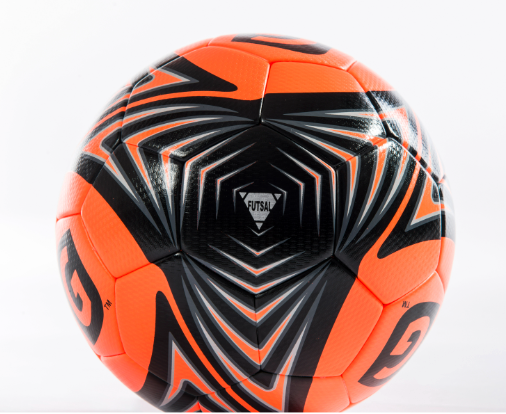
The lining inside a football plays a huge role in how it feels, holds shape, and lasts over time. It’s not just padding—it’s the secret behind consistency in performance.
| Lining Type | Durability | Shape Retention | Typical Use |
|---|---|---|---|
| Single-layer | Low | Low | Recreational |
| 2-ply | Medium | Medium | Training / Mid-range |
| 4-ply | High | High | Pro Matches / Thermal Bonded |
Usually feature multi-layer linings
Provides consistent bounce, roundness, and control
Layers work together to maintain performance under heavy play
They feel a little firmer compared to stitched balls
Often have more flexible lining
Gives a classic, softer touch players love for dribbling and skill work
Slightly less rigid, so shape may change slightly after repeated use
Offers that familiar “traditional football feel”
Understanding why thermal bonded footballs perform differently from traditional stitched balls starts with professional testing. Leagues, clubs, and manufacturers rely on rigorous standards to ensure balls behave consistently in real matches. Thermal bonded balls often outperform stitched balls in these tests, which explains their preference in top-level competitions.
FIFA classifies balls into two quality levels, highlighting how thermal bonded footballs meet elite demands:
FIFA Quality
Designed for training and lower-level matches
Checks weight, circumference, bounce, and shape retention
Less strict on air retention
FIFA Quality Pro
Made for professional matches and elite leagues
Includes advanced tests like water absorption and sphericity under pressure
Ensures consistent performance in all weather conditions
| Feature | FIFA Quality | FIFA Quality Pro |
|---|---|---|
| Weight & Size Tolerance | Standard | Stricter |
| Bounce Consistency | Medium | High |
| Shape Retention | Moderate | Excellent |
| Water Absorption | Small allowance | Minimal |
| Ideal Use | Training / Matches | Professional Matches |
Thermal bonded balls hold air much longer than stitched balls. This means every kick feels consistent, and bounce stays predictable throughout the match. Stitched balls may slowly lose pressure, affecting control.
Repeated compression tests show thermal bonded balls snap back to perfect roundness. Stitched balls can deform slightly over time, which may alter flight and handling.
Exposed to rain or wet conditions, thermal bonded balls absorb almost no water, maintaining weight and control. Traditional stitched balls soak up moisture, becoming heavier and harder to handle.
Seamless design reduces panel stress and water intake
Ensures consistent roundness and predictable flight
Reliable in all weather and temperature conditions
Lower maintenance, fewer returns, ideal for professional play
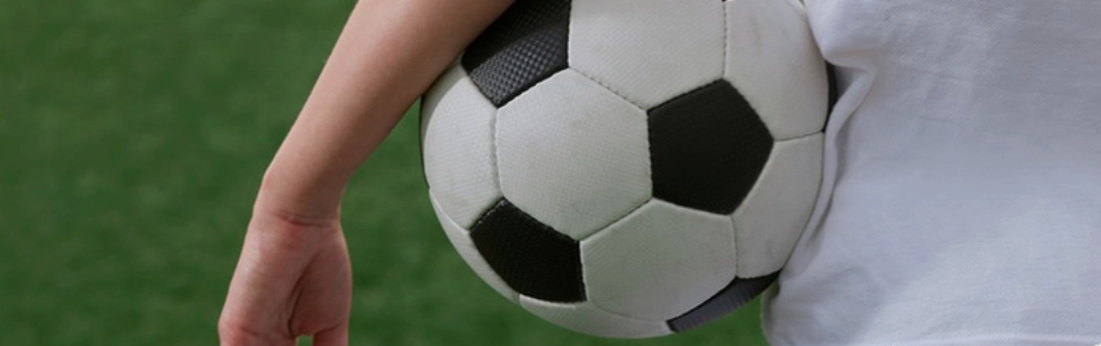
In general, the pricing hierarchy looks like this:
Hand-stitched balls → more affordable than thermal bonded, slightly pricier than mass-produced training balls
Machine-stitched balls → lowest cost, ideal for high-volume production
Thermal bonded balls → highest price, reflecting advanced technology and durability
| Ball Type | Price Range | Key Features |
|---|---|---|
| Machine-stitched | $10 – $30 | Affordable, consistent, training use |
| Hand-stitched | $20 – $60 | Traditional feel, durable, technique focus |
| Thermal bonded | $50 – $120+ | Seamless, water-resistant, professional matches |
Youth Training & Recreational Play
Hand-stitched or machine-stitched balls work best
Softer feel helps young players develop skills
Cost-effective for frequent training sessions
Professional or High-Level Matches
Thermal bonded balls preferred
Consistent flight, water resistance, and durability
Reliable under all weather and playing conditions
For football brands, matching ball type to target audience is key. Elite International Ltd., a professional sports goods manufacturer and distributor, specializes in all kinds of balls and offers customized supply chain solutions, keeping customers’ IP confidential.
Budget plays a major role: machine-stitched balls are ideal for youth training and schools, while thermal bonded balls are preferred for elite leagues and professional matches. Brands can also adopt a tiered product approach, covering training, academy, and match balls.
Elite International Ltd. supports OEMs with custom branding and tailored solutions across stitched and bonded balls, helping clients balance cost, performance, and quality while building long-term, sustainable partnerships.
A: Yes, thermal bonded footballs resist splitting and wear better than hand-stitched balls, making them more durable for long-term use.
A: No, thermal bonded footballs cannot be deflated; they must be stored and shipped fully inflated.
A: They are best for professional or high-level matches, though they can be used for specialized training when premium performance is required.
A: Thermal bonded footballs are generally the most expensive, often 50–100% pricier than hand-stitched or machine-stitched balls.
A: Polyurethane (PU) is ideal for thermal bonded balls, offering superior touch, durability, and consistent flight.
Choosing the right football can completely change your game. Thermal bonded footballs offer unmatched consistency, precise flight, and excellent water resistance, while traditional stitched balls bring that classic feel and softer touch many players love. It’s all about what fits your level, playing style, and training needs.
At Elite International Ltd., we design and supply high-quality footballs for every purpose—from youth training to elite competitions. Explore our range of stitched and thermal bonded balls, customize your branding, and see how the right ball can elevate performance on the pitch.


