

close
Choose Your Site
Global
Social Media
Views: 0 Author: Site Editor Publish Time: 2026-01-29 Origin: Site

Have you ever wondered what makes a football truly reliable? The answer lies in thermal bonding. This innovative technology enhances football shape and flight stability, crucial for player performance. In this article, we’ll explore how thermal bonded footballs are made and why they outperform traditional designs. You’ll learn about their advantages and the impact on gameplay.
A thermal bonded football is crafted using advanced materials that enhance its performance. These balls are typically made from high-quality synthetic leather, which provides durability and a consistent feel. Unlike traditional stitched or glued footballs, thermal bonded footballs have panels fused together using heat and pressure. This process eliminates seams, resulting in a smoother surface that improves aerodynamics.
Feature | Thermal Bonded Football | Stitched/Glued Football |
Durability | Superior | Lower |
Shape Retention | Excellent | Prone to deformation |
Water Resistance | High | Low |
Weight Consistency | Maintained | Can absorb water |
The table above illustrates key differences between thermal bonded and traditional footballs. As you can see, thermal bonded footballs offer significant advantages, especially in durability and shape retention. This means players can rely on them more during intense matches.
The manufacturing of thermal bonded footballs involves several precise steps. First, the panels are cut from high-quality materials. Next, they are aligned and heated to a specific temperature. This heat activates the adhesive properties of the material, allowing the panels to bond seamlessly. Finally, the ball is inflated and tested for quality assurance.
1. Panel Cutting: High-performance synthetic leather is cut into specific shapes.
2. Heating and Bonding: The panels are heated and pressed together to form a single unit.
3. Quality Control: Each ball undergoes rigorous testing for shape, weight, and performance.
Thermal bonding offers several benefits compared to traditional stitching or gluing methods. One major advantage is the reduction of seams, which minimizes weak points in the ball. Fewer seams mean less chance for water absorption, keeping the ball lightweight and maintaining its performance in wet conditions. Additionally, thermal bonded footballs are more durable, allowing for longer use without losing shape or integrity.
In conclusion, understanding the thermal bonded football helps players appreciate the technology behind their gear. With enhanced performance, these footballs are designed to meet the demands of both casual and professional play.

One of the standout features of a thermal bonded football is its exceptional shape retention. The thermal bonding process creates a seamless bond between panels, ensuring the ball maintains a perfect spherical shape throughout its lifespan. This is crucial for players, as a well-rounded ball enhances control and precision during gameplay.
When players kick or pass a perfectly shaped ball, they experience more predictable movement. A spherical ball travels straighter and bounces accurately, allowing for better passing and shooting. For example, professional players often emphasize how a consistent ball shape allows them to execute complex plays with confidence.
Real-life Examples: Professional Players' Experiences
● Lionel Messi: Known for his precise shots, Messi benefits from the consistent shape of thermal bonded footballs, allowing for accurate strikes on goal.
● Cristiano Ronaldo: His powerful kicks are more effective when the ball maintains shape, ensuring it travels the intended distance and direction.
Thermal bonded footballs are designed to resist deformation, making them ideal for intense play. The absence of seams means there are fewer weak points where the ball can lose its shape. This durability is essential, especially in professional matches where the ball endures significant wear and tear.
Feature | Thermal Bonded Football | Traditional Football |
Shape Retention | Excellent | Prone to deformation |
Durability | High | Moderate |
Replacement Frequency | Less frequent | More frequent |
As shown in the table, thermal bonded footballs offer a longer lifespan compared to traditional options. This means players can rely on their equipment for longer periods, reducing the need for frequent replacements.
In summary, the benefits of thermal bonding significantly enhance the football's shape and performance, ultimately improving the player's experience on the field. The combination of superior shape retention and resistance to deformation makes thermal bonded footballs a top choice for both amateur and professional players alike.
The design of a thermal bonded football greatly enhances its aerodynamics. The seamless construction eliminates traditional seams, allowing air to flow smoothly around the ball. This design reduces turbulence, which can affect how the ball travels through the air.
The surface texture of thermal bonded footballs plays a crucial role in minimizing drag. These footballs typically feature a micro-textured surface that helps to stabilize airflow. This means less resistance as the ball moves, contributing to improved accuracy and distance.
Scientific Insights: Aerodynamic Advantages
Recent studies have shown the aerodynamic benefits of thermal bonded footballs. Research indicates that these balls can achieve greater distances and maintain better flight paths compared to traditional stitched balls. For instance, a study published in the Journal of Sports Engineering found that thermal bonded designs improve lift and reduce drag by up to 20%.
One of the key advantages of thermal bonded footballs is their consistent performance in various weather conditions. Unlike traditional footballs, which can absorb water and become heavier, thermal bonded footballs are designed to repel moisture. This feature ensures that the ball remains lightweight and maintains its shape, regardless of the weather.
Condition | Thermal Bonded Football | Traditional Football |
Rain | High water resistance | Absorbs water, increases weight |
Wind | Stable flight path | Prone to unpredictable movement |
Playing Surface | Consistent grip | Variable grip based on surface |
As illustrated in the table, thermal bonded footballs perform exceptionally well in adverse conditions. For example, during rainy matches, players can trust that the ball will not become waterlogged. Similarly, in windy environments, the seamless design helps maintain a steady flight path, allowing for precise passes and shots.
In summary, the aerodynamic benefits and consistent performance of thermal bonded footballs make them a superior choice for players. They provide enhanced stability and reliability, ensuring that athletes can focus on their game, regardless of external conditions.
Many professional players have shared their positive experiences with thermal bonded footballs. For instance, renowned striker Harry Kane has stated, "Using a thermal bonded football allows me to focus on my technique. The consistent shape enhances my accuracy." Such testimonials highlight how top athletes value the performance benefits of these balls.
Thermal bonded footballs have been used in major competitions like the FIFA World Cup and the UEFA Champions League. In these tournaments, players have noted improved ball control and precision during critical moments. For example, during a pivotal match in the last World Cup, teams reported fewer missed passes and better shooting accuracy when using thermal bonded footballs.
Coaches are increasingly incorporating thermal bonded footballs into training sessions. They appreciate how these balls help players develop essential skills. For example, training with these footballs allows players to practice passing and shooting with consistent feedback.
Skill Area | Improvement with Thermal Bonded Footballs | Traditional Footballs |
Passing Accuracy | Up to 15% better | Standard performance |
Ball Control | Enhanced feel and responsiveness | Variable feel |
Shooting Precision | Increased consistency | Less predictable |
As shown in the table, players training with thermal bonded footballs often see significant improvements in passing accuracy and ball control. Coaches report that players develop a better understanding of how to handle the ball, leading to more effective gameplay.
In practice sessions, players have expressed confidence in their abilities, knowing that the ball will respond predictably. This reliability translates into better performance during matches, allowing athletes to execute complex strategies with ease.
Overall, the integration of thermal bonded footballs into both professional play and training environments showcases their impact on player experiences and performance.
When it comes to thermal bonded footballs, several misconceptions often arise regarding their durability and performance. Understanding these myths can help players and coaches make informed decisions about their equipment.
Many believe that because thermal bonded footballs lack traditional seams, they are more prone to damage. In reality, the seamless construction enhances durability by eliminating weak points. Studies show that thermal bonded footballs can withstand harsher conditions and last longer than their stitched counterparts.
Another common misconception is that thermal bonded footballs are too expensive for the average player. While they may have a higher upfront cost, the long-term savings are significant.
Cost Comparison | Thermal Bonded Football | Traditional Football |
Initial Price | Higher | Lower |
Average Lifespan | 2-3 times longer | Shorter |
Replacement Frequency | Less frequent | More frequent |
As illustrated in the table, thermal bonded footballs typically last 2-3 times longer than traditional options. This means fewer replacements over time, ultimately saving money. Players can invest in a thermal bonded football knowing it will provide better value in the long run.
Some skeptics argue that the performance benefits of thermal bonded footballs are exaggerated. However, numerous testimonials from professional players highlight the improved accuracy and control these balls offer. For instance, players report enhanced passing precision and shooting consistency, especially in challenging conditions.
In conclusion, addressing these common myths helps clarify the true value of thermal bonded footballs. By understanding their durability and performance advantages, players can confidently choose the right equipment for their needs.
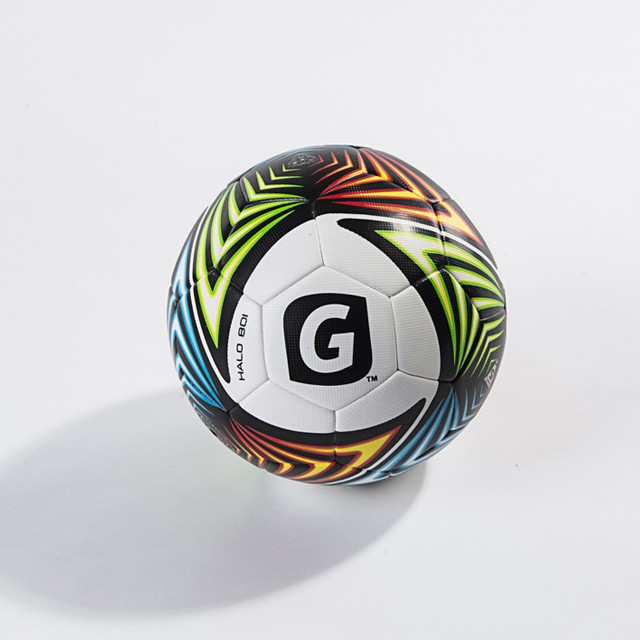
As technology advances, the future of football manufacturing is looking brighter than ever. One of the most exciting trends is the continued evolution of thermal bonding techniques. Manufacturers are exploring new methods to enhance the bonding process, making footballs even more durable and aerodynamic.
In the coming years, we can expect to see innovations such as:
● Advanced Seamless Designs: New thermal bonding methods will further reduce weight and improve flight stability.
● Smart Footballs: Integration of sensors to track performance metrics, providing real-time data to players and coaches.
● Customizable Textures: Players may choose different surface textures for specific playing conditions, enhancing grip and control.
The materials used in football manufacturing are also set to evolve. We are likely to see:
● Eco-Friendly Options: Sustainable materials will be prioritized, reducing the environmental impact of football production.
● Enhanced Synthetic Leathers: New formulations will improve durability and performance while maintaining a lightweight feel.
The ongoing innovations in football technology will undoubtedly change how the game is played. As footballs become more advanced, players will experience a significant shift in their performance and training methods.
With smarter footballs and improved designs, players can expect:
● Better Control: Enhanced grip and responsiveness will allow for more precise passing and shooting.
● Increased Safety: Advanced materials may reduce the risk of injury by providing better shock absorption during play.
As technology continues to advance, the role of data analytics and smart technology will enhance player experience and team strategies. Coaches will have access to detailed performance analytics, allowing them to tailor training programs to individual players’ needs.
With these innovations, the landscape of football is set to transform, creating a more dynamic and engaging experience for both players and fans alike.
This article highlights the benefits of thermal bonding in football manufacturing. Thermal bonded footballs offer superior shape retention and enhanced flight stability. Players experience improved accuracy and control, particularly in varying weather conditions. Choosing thermal bonded footballs is essential for optimal performance on the field. For those interested, consider exploring options from reputable brands like GLORY. Their products provide unique advantages, ensuring exceptional quality and value for players.
A: A thermal bonded football is designed using advanced bonding techniques that eliminate seams, enhancing shape retention and flight stability.
A: Thermal bonding improves performance by providing a seamless construction, which reduces drag and enhances aerodynamics during play.
A: Choosing a thermal bonded football ensures better durability and consistent performance, especially in varying weather conditions.
A: While thermal bonded footballs may have a higher initial cost, their durability and performance benefits often lead to long-term savings.
A: To maintain a thermal bonded football, keep it clean and store it in a cool, dry place to prevent damage and ensure longevity.


