

close
Choose Your Site
Global
Social Media
Views: 0 Author: Site Editor Publish Time: 2026-02-05 Origin: Site

Is a Thermal Bonded Football the future of professional play? This innovative design promises superior performance and durability. In this article, we’ll explore what thermal bonded footballs are and how they differ from traditional balls. You’ll learn about their advantages, including consistency and weather resistance, and whether they truly meet the demands of professional matches.
Thermal bonded footballs stand out due to their seamless construction. Unlike traditional balls, which rely on stitching, these footballs use heat to fuse panels together. This process creates a smooth surface that enhances performance. Without stitches, the risk of water absorption is significantly reduced.
Benefits of Heat-Sealed Panels vs. Traditional Stitching:
Feature | Thermal Bonded Footballs | Traditional Stitched Footballs |
Water Resistance | High | Moderate |
Aerodynamic Efficiency | Superior | Average |
Durability | Excellent | Variable |
Consistency in Shape | Maintained | Prone to distortion |
The seamless design of thermal bonded footballs contributes to superior aerodynamics. This feature allows the ball to cut through the air more efficiently. Players experience fewer unpredictable swerves during their passes. As a result, long-distance shots become more accurate, which is crucial in professional matches.
A perfectly round shape is essential for consistent performance. Thermal bonded footballs maintain higher sphericity due to the absence of stitching. This aspect leads to predictable bounces and uniform rolls, benefiting players in various positions, especially midfielders and strikers.
Key Benefits of Improved Sphericity:
● Predictable Bounces: Players can anticipate how the ball will react upon landing.
● Uniform Rolls: The ball travels smoothly across the pitch, enhancing control.
● Increased Confidence: Players can commit to powerful shots without worrying about unexpected changes in ball behavior.
One of the standout features of thermal bonded footballs is their water resistance. These footballs absorb significantly less water than traditional stitched balls. This quality ensures consistent weight and performance, even in rainy conditions.
Durability Comparison:
Type of Football | Water Absorption | Impact on Performance |
Thermal Bonded | Minimal | Consistent |
Traditional Stitched | High | Heavier and unpredictable |
The seamless design not only improves water resistance but also enhances aerodynamics. By reducing air resistance, the ball travels faster and with more stability.
Impact on Long-Distance Passing and Shooting Accuracy:
● Fewer Deviations: Players experience fewer unexpected changes in the ball's trajectory.
● Better Control: The smooth surface allows for more precise passing and shooting.
● Increased Confidence: Players can focus on technique rather than worrying about the ball's behavior.
In conclusion, thermal bonded footballs offer unique advantages that make them suitable for professional matches. Their construction and features enhance performance, making them a preferred choice for elite athletes.
One of the standout features of a thermal bonded football is its seamless design. This construction enhances touch sensitivity, allowing players to feel more connected to the ball. When dribbling or passing, the smooth surface means there are no bumps or seams to disrupt contact.
Player Feedback: Many professional athletes report improved control during high-pressure situations. For instance, midfielders appreciate how the ball reacts to quick foot movements. They can execute precise passes or take powerful shots without hesitation. This increased responsiveness is crucial during critical moments in a match.
Uniformity in training and matches is vital for any professional team. Thermal bonded footballs offer consistent performance, which helps players adapt seamlessly between practice and competition.
How Thermal Bonded Footballs Reduce Performance Variation:
Feature | Thermal Bonded Footballs | Traditional Footballs |
Touch Sensitivity | High | Variable |
Bounce Consistency | Predictable | Inconsistent |
Shape Retention | Excellent | Prone to distortion |
This table illustrates how thermal bonded footballs maintain their shape and performance characteristics, leading to fewer surprises on the pitch. Players can develop muscle memory, knowing exactly how the ball will behave during gameplay.
Another significant advantage of thermal bonded footballs is their performance in various weather conditions. The heat-sealed construction minimizes water absorption, ensuring the ball remains lightweight and maintains its integrity, even in challenging environments.
Significance of Maintaining Ball Integrity in Rain and Cold: When it rains, traditional stitched balls often become heavier as they absorb water. This added weight can affect kicking power and accuracy. In contrast, thermal bonded footballs stay consistent. Players can rely on them to perform as expected, regardless of the weather.
Thermal bonded footballs excel in retaining shape, even in extreme temperatures.
Analysis of Shape Retention:
● Cold Weather: In frigid conditions, traditional balls may stiffen, affecting their bounce and control. Thermal bonded footballs, however, maintain flexibility, providing reliable performance.
● Hot Weather: High temperatures can cause stitched seams to weaken, leading to deformation. The seamless design of thermal bonded footballs prevents such issues.
This stability across different climates ensures that athletes can focus on their game, not worry about their equipment. The consistent performance of thermal bonded footballs makes them an ideal choice for professional matches, where every detail counts.
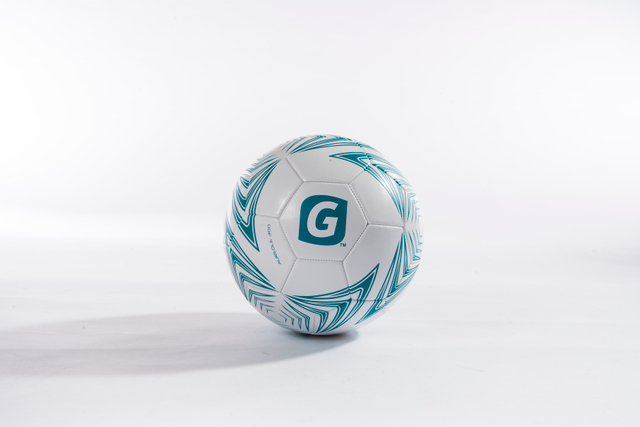
When it comes to durability, thermal bonded footballs significantly outperform traditional stitched balls. The seamless construction of thermal bonded footballs means fewer weak points that can wear down over time.
Comparison of Durability:
Feature | Thermal Bonded Footballs | Stitched Footballs |
Panel Integrity | High | Moderate |
Resistance to Abrasion | Excellent | Variable |
Lifespan | 2-3 years | 1-2 years |
Recent studies indicate that thermal bonded footballs can last up to three years in professional settings, while traditional stitched footballs often require replacement after just one to two years. This longevity is crucial for teams looking to maximize their investment in equipment.
Investing in thermal bonded footballs can be more economical for teams in the long run. Although the initial cost may be higher, the durability translates into fewer replacements needed throughout the season.
Analysis of Replacement Costs:
Type of Football | Average Cost per Ball | Expected Lifespan | Total Cost Over 3 Years |
Thermal Bonded | $150 | 3 years | $150 |
Traditional Stitched | $100 | 1 year | $300 |
From this table, we can see that while thermal bonded footballs have a higher upfront cost, they prove to be more cost-effective over time. Teams can save money by reducing the frequency of replacements.
One of the main advantages of thermal bonded footballs is their durability, which leads to fewer replacements during a season.
● Fewer Disruptions: Teams spend less time and money on purchasing new balls.
● Consistent Training: Players can train with the same type of ball throughout the season, improving their skills and confidence.
● Enhanced Team Performance: With reliable equipment, players can focus on their game without worrying about equipment failure.
Overall, the durability of thermal bonded footballs makes them a smart choice for professional teams. They provide long-lasting performance, ensuring players can rely on their equipment match after match.
Thermal bonded footballs have gained popularity in various professional leagues and tournaments worldwide. Major competitions, such as the FIFA World Cup and UEFA Champions League, often feature these advanced balls. Their seamless design and superior performance make them ideal for high-stakes matches.
Examples of Leagues Using Thermal Bonded Footballs:
League | Notable Tournaments | Year Introduced |
FIFA World Cup | Men's and Women's | 2010 |
UEFA Champions League | Group Stages and Knockout | 2013 |
English Premier League | Regular Season Matches | 2016 |
Testimonials from Professional Players and Coaches: Many players have praised thermal bonded footballs for their enhanced control and consistency. For example, renowned striker Lionel Messi has commented on how these balls provide better touch and responsiveness. Coaches appreciate the reliability of the ball during training sessions and matches, allowing players to focus on their skills.
Thermal bonded footballs are not just for professionals; they are also beneficial for youth and amateur players. These footballs help young athletes develop essential skills while providing a consistent playing experience.
Benefits of Using Thermal Bonded Footballs for Training:
1. Improved Skill Development: The predictable bounce and touch of thermal bonded footballs allow players to practice effectively.
2. Enhanced Confidence: Young players gain confidence in their abilities when using reliable equipment.
3. Durability: These balls withstand rough play, making them ideal for youth leagues.
Recommendations for Different Skill Levels:
Skill Level | Recommended Ball Type | Key Features |
Beginners | Entry-Level Thermal Bonded | Lightweight and forgiving |
Intermediate | Standard Thermal Bonded | Balance of performance and durability |
Advanced | Professional Thermal Bonded | High performance and precision |
Using consistent equipment is crucial for developing players. Thermal bonded footballs provide a seamless transition between training and match play.
● Importance of Consistency: When players train with the same type of ball they use in matches, they develop muscle memory. This consistency leads to improved performance during games.
● Building Familiarity: Players become accustomed to the ball's behavior, enhancing their passing, shooting, and dribbling skills.
By integrating thermal bonded footballs into training sessions, coaches can ensure that players are well-prepared for competitive play. This approach not only enhances skill development but also fosters a love for the game.
When it comes to football construction, there are three primary methods: hand-stitched, machine-stitched, and thermal bonded. Each method has its own set of advantages and disadvantages, making them suitable for different scenarios and player preferences.
Pros and Cons of Each Construction Method:
Construction Method | Pros | Cons | Best Use Cases |
Hand-Stitched | High quality, customizable | Time-consuming, expensive | Premium matches, collectors |
Machine-Stitched | Faster production, cost-effective | Less durable than hand-stitched | Recreational play, youth leagues |
Thermal Bonded | Superior durability, water-resistant | Higher initial cost | Professional matches, training |
Hand-stitched footballs are known for their craftsmanship and quality, making them a favorite among collectors. However, the time and cost involved can limit their use. Machine-stitched balls, while more affordable, may not hold up as well under rigorous play. In contrast, thermal bonded footballs excel in durability and performance, making them ideal for professional use.
The materials used in thermal bonded footballs significantly influence their performance on the field. Common materials include polyurethane (PU) and thermoplastic polyurethane (TPU), both of which offer unique benefits.
Overview of Materials Used in Thermal Bonded Footballs:
● Polyurethane (PU): Known for its softness and excellent touch, PU provides a comfortable feel during play. It also offers good resistance to abrasion.
● Thermoplastic Polyurethane (TPU): This material enhances durability and water resistance, making it ideal for all weather conditions.
How Material Choice Affects Playability and Durability:
Material Type | Playability | Durability | Water Resistance |
PU | Excellent control | Moderate | Low |
TPU | Good touch | High | High |
Composite | Variable | Variable | Moderate |
The combination of these materials in thermal bonded footballs results in an optimal balance of touch, durability, and weather resistance. Players benefit from consistent performance, whether in training or competitive matches.
Advancements in material technology have led to significant improvements in football performance. Recent innovations include enhanced PU coatings and foam layers designed for better grip and control.
Key Innovations:
● Advanced PU Coatings: These coatings increase the ball's resistance to wear and tear while providing a soft touch. This technology allows for better ball control and precision.
● Foam Layers: Incorporating specialized foam layers enhances cushioning, improving the feel of the ball during play. This feature is particularly beneficial for shot accuracy and overall performance.
These innovations ensure that thermal bonded footballs not only meet but exceed the expectations of players at all levels. As technology continues to advance, we can expect even more improvements in the quality and performance of footballs.
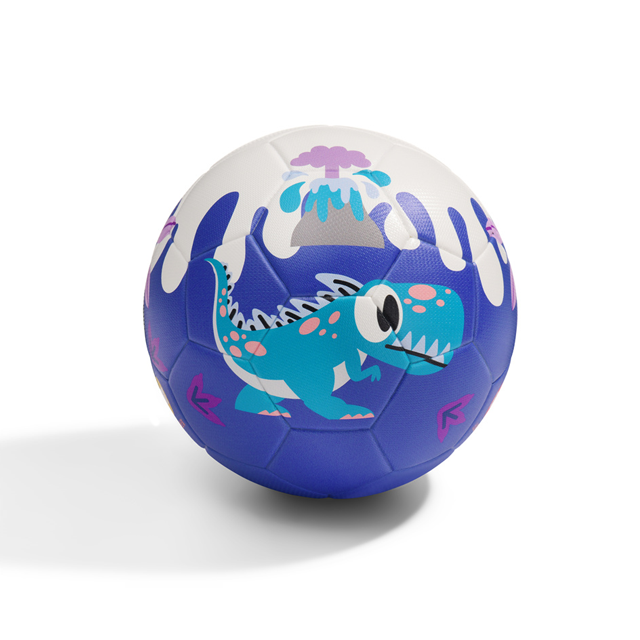
Choosing the right football involves several important factors. First and foremost, consider your skill level. Beginners may benefit from softer, more forgiving balls, while advanced players often prefer the precision and durability of thermal bonded footballs.
Playing Conditions: The environment where you play also matters. If you frequently play in wet or muddy conditions, a thermal bonded football’s water-resistant properties can be a game-changer. These balls maintain their performance and shape, ensuring a consistent experience.
Personal Preferences: Every player has unique preferences regarding weight, feel, and design. Some might favor a heavier ball for better control, while others may like a lighter option for speed. Finding a football that aligns with your playing style can enhance your overall experience.
Importance of FIFA Quality Standards and Certifications: When selecting a football, pay attention to FIFA quality standards. Balls that meet these certifications undergo rigorous testing for performance, durability, and safety. Choosing a certified ball ensures you are investing in a product that meets high-quality benchmarks.
When it comes to purchasing thermal bonded footballs, knowing where to buy and what to look for can make a significant difference.
Where to Buy: Reputable sports retailers, both online and in-store, offer a wide selection of thermal bonded footballs. Always choose established brands known for quality. Online marketplaces can provide competitive prices, but ensure they have good return policies.
What to Look For in Quality:
● Material: Check for high-quality materials like PU or TPU, which enhance durability and performance.
● Construction: Ensure the ball is truly thermal bonded, as this affects its longevity and playability.
● Size and Weight: Make sure the ball meets the size and weight specifications suitable for your level of play.
Common Pitfalls to Avoid When Selecting a Football:
1. Ignoring Reviews: Always read customer reviews to understand the ball's performance and durability.
2. Overlooking Size: Using the wrong size can hinder skill development and performance.
3. Buying Based on Price Alone: While cost is important, don’t compromise quality for a lower price.
When purchasing a thermal bonded football, understanding product labels and certifications is crucial.
How to Verify Authenticity and Quality:
● Check for FIFA Certification: Look for labels indicating compliance with FIFA quality standards. This certification guarantees that the ball has passed various tests for performance and durability.
● Examine the Packaging: Authentic products typically come in well-designed packaging with clear information about materials and construction methods.
● Research the Brand: Familiarize yourself with reputable brands known for producing high-quality footballs. This knowledge can guide you in making informed decisions.
By taking these factors into account, you can confidently choose a thermal bonded football that suits your playing style and meets your needs. Whether you're a professional athlete or a weekend warrior, selecting the right football can enhance your performance and enjoyment of the game.
Thermal bonded footballs offer numerous advantages for professional matches. Their durability, consistent performance, and water resistance make them ideal for high-stakes environments. Players benefit from enhanced control and touch, contributing to overall skill development. As you consider your options, thermal bonded footballs stand out for their quality and reliability. For those looking to elevate their game, exploring these footballs is essential. Consider GLORY for top-notch thermal bonded footballs that provide exceptional value and performance. Their products are designed to meet the needs of serious athletes, ensuring you make an informed choice for your next match.
A: A thermal bonded football is a type of football constructed using a seamless method, enhancing durability and performance.
A: Unlike stitched footballs, a thermal bonded football offers superior water resistance and maintains its shape better in various conditions.
A: Thermal bonded footballs provide consistent performance, making them ideal for professional play where precision and reliability are crucial.
A: The main advantages include enhanced durability, better touch, and water resistance, all of which contribute to improved gameplay.
A: Prices for a thermal bonded football can vary, but they generally range from $100 to $200, depending on the brand and features.
A: Yes, a thermal bonded football is designed to perform well in various weather conditions, thanks to its water-resistant properties.


