

close
Choose Your Site
Global
Social Media
Views: 0 Author: Site Editor Publish Time: 2026-02-03 Origin: Site

Have you ever wondered what makes a football truly great? The construction method can significantly impact performance. In this article, we’ll explore two popular types: Thermal Bonded Football and Hand Stitched Football. You’ll learn about their differences, advantages, and which option is best for your game.
A Thermal Bonded Football is crafted using a unique technique that fuses panels together with heat and pressure. This method eliminates the need for stitching, resulting in a seamless design that enhances performance.
● Seamless Design: The lack of seams means fewer weak points, leading to improved aerodynamics and flight consistency. Players often appreciate the smooth surface during play.
● Water Resistance: One of the standout features is its exceptional water resistance. Since there are no stitches for water to penetrate, these balls maintain their weight and shape even in wet conditions.
● Durability and Shape Retention: Thermal bonded footballs are known for their durability. They withstand rigorous play and retain their shape over time, making them ideal for both training and professional matches.
● Material Composition: Typically made from 100% polyurethane, these footballs offer a combination of flexibility and strength. This material ensures that the ball remains lightweight while providing excellent control.
In contrast, a Hand Stitched Football is created using traditional craftsmanship. Skilled artisans meticulously sew the panels together, resulting in a ball that many players prefer for its classic feel.
● Visible Seams and Stitching Techniques: The stitching is often visible, showcasing the skill involved in its creation. This method allows for deeper and stronger seams, enhancing durability.
● Durability and Flexibility: Hand stitched balls are generally more flexible, allowing for better control during play. The tight stitching provides resilience against wear and tear, making them suitable for various playing conditions.
● Traditional Feel and Touch: Many players appreciate the tactile feedback from hand stitched footballs. The softer touch is often preferred for techniques like dribbling and passing.
● Common Materials Used: These footballs are typically made with high-quality polyester thread, which contributes to their strength and longevity. The combination of materials ensures that they can endure intense gameplay.
Feature | Thermal Bonded Football | Hand Stitched Football |
Seam Design | Seamless | Visible seams |
Water Resistance | Excellent | Moderate |
Durability | High | High |
Touch and Feel | Slightly firm | Softer, more natural |
Common Materials | 100% Polyurethane | Polyester thread |

When comparing the durability of Thermal Bonded Footballs and Hand Stitched Footballs, it’s essential to consider how each construction method affects longevity. Thermal bonded footballs are renowned for their robust design. The seamless construction minimizes weak points, making them less prone to tearing or splitting. In contrast, hand stitched footballs rely on stitching, which can wear down over time, especially under intense playing conditions.
For instance, a thermal bonded ball used in professional matches often shows minimal signs of wear even after extensive use. On the other hand, a hand stitched ball might develop frayed seams or loss of shape after similar usage. Players often report that thermal bonded balls maintain their performance much longer, making them a popular choice for competitive play.
Water resistance is crucial for football performance, especially in rainy conditions. Thermal Bonded Footballs excel in this area due to their seamless design. With no stitches to absorb water, these balls remain lightweight and maintain their shape when wet. This feature allows players to perform at their best, regardless of the weather.
Conversely, hand stitched footballs can absorb moisture through their seams. This absorption can lead to increased weight and altered flight characteristics during play. Players often find that a wet hand stitched ball feels heavier and less predictable, affecting control and accuracy.
The construction method significantly impacts the performance and playability of the football. Thermal Bonded Footballs provide superior flight consistency and accuracy. Their seamless surface allows for a more predictable trajectory, which is essential for precise passing and shooting.
In terms of control, players often find that thermal bonded footballs offer a firmer touch, which some may prefer for long-distance shots. However, hand stitched footballs provide a softer feel, making them ideal for dribbling and close control. This difference can influence a player's choice based on their playing style.
● Thermal Bonded Footballs: Best suited for all-weather conditions, especially in competitive matches where performance is critical.
● Hand Stitched Footballs: More appropriate for training sessions or casual play, where players can appreciate the traditional feel without the pressure of a match.
Feature | Thermal Bonded Football | Hand Stitched Football |
Durability | High | Moderate |
Water Resistance | Excellent | Moderate |
Flight Consistency | Superior | Good |
Control | Firm | Softer |
Ideal Conditions | All-weather | Training or casual play |
This table highlights the key differences between thermal bonded and hand stitched footballs, providing a clearer understanding of how each type performs under various conditions. Whether you prefer the advanced technology of thermal bonded footballs or the classic craftsmanship of hand stitched options, both have unique attributes that cater to different playing styles and preferences.
Thermal Bonded Footballs offer several significant advantages that make them a popular choice among players and teams. One of the standout features is their enhanced durability and performance. The seamless construction means fewer weak points, allowing the ball to withstand rigorous play without losing its shape. Players often notice that these footballs maintain consistent flight paths, which is crucial for accurate passing and shooting.
● Consistent Shape and Flight Path: This consistency helps players perform better, especially in high-stakes matches.
● Reduced Water Absorption: With no seams to absorb moisture, these balls stay lightweight and reliable in wet conditions, ensuring optimal performance.
● Ideal for Professional Matches and Training: Many professional teams prefer thermal bonded footballs for their reliability during training and matches.
However, there are some considerations to keep in mind.
● Cannot Be Deflated: This feature makes storage and shipping a bit challenging, as they require more space compared to deflatable options.
While thermal bonded footballs are excellent, they do come with a few disadvantages. One notable drawback is their higher cost compared to hand stitched alternatives. The advanced manufacturing process and materials contribute to this price difference, which might be a concern for budget-conscious players or teams.
● Higher Cost: This can limit accessibility for some players who might prefer more affordable options.
● Not Deflatable: The inability to deflate these footballs can complicate transportation and storage, making them less convenient for casual players.
On the other hand, Hand Stitched Footballs bring their own set of advantages. Many players appreciate the traditional craftsmanship involved in their creation. This attention to detail often results in a ball that feels great during play.
● Traditional Craftsmanship and Feel: The hand stitching provides a unique tactile experience, which many players prefer for its softness and responsiveness.
● Greater Flexibility in Padding and Construction: This flexibility allows for a more customized feel, making them suitable for various playing styles.
● Generally More Affordable: Hand stitched footballs are often more budget-friendly, making them accessible for a wider range of players.
Additionally, hand stitched footballs can be deflated for easy storage and transport, which is a significant advantage for casual players or teams that need to save space.
Despite their appealing features, hand stitched footballs also have some downsides. One of the main concerns is their potential for water absorption. The seams can allow moisture to seep in, affecting the ball's performance in wet conditions.
● Potential for Water Absorption: This can lead to increased weight and altered flight characteristics, which may hinder performance.
● Durability Concerns with Heavy Use: Over time, the stitching can wear down, leading to frayed seams and loss of shape, particularly with frequent use.
Feature | Thermal Bonded Football | Hand Stitched Football |
Durability | High | Moderate |
Water Resistance | Excellent | Moderate |
Feel | Firm | Softer |
Cost | Higher | Generally Lower |
Storage | Non-deflatable | Deflatable |
This table summarizes the key advantages and disadvantages of both types of footballs, helping players make informed decisions based on their needs and preferences. Whether you lean towards the durability of thermal bonded footballs or the traditional feel of hand stitched options, understanding these differences is essential for any football enthusiast.
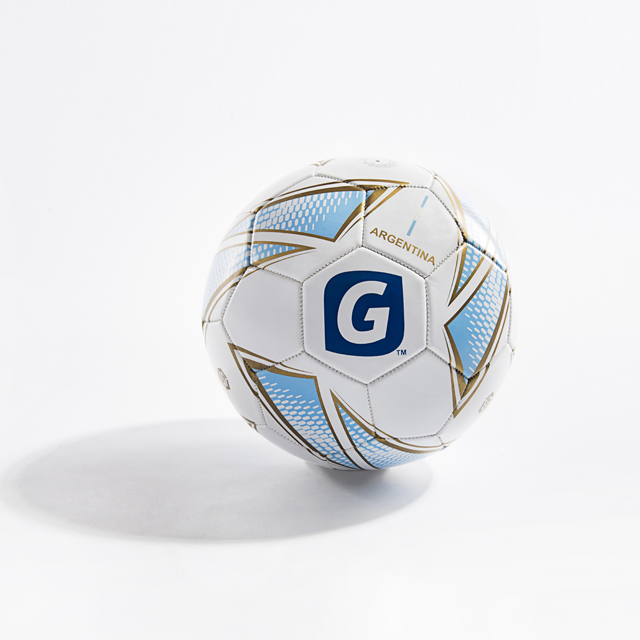
Choosing the right football can significantly impact your performance and enjoyment of the game. There are several factors to consider when selecting between a Thermal Bonded Football and a hand stitched option. Understanding these elements will help you make an informed decision.
1. Playing Level: Your skill level plays a crucial role in determining which football is best for you. Professional players typically prefer thermal bonded footballs for their durability and performance. Amateur and youth players might benefit from the softer feel of hand stitched balls, which can enhance their control and skill development.
2. Playing Conditions: The environment in which you play also matters. For wet conditions, thermal bonded footballs excel due to their water resistance, ensuring consistent performance. In contrast, hand stitched footballs may absorb water, affecting their weight and flight. On dry turf, either option can perform well, but players might prefer the feel of hand stitched balls for casual play.
3. Budget Considerations: Price is always a factor. Thermal bonded footballs tend to be more expensive due to their advanced manufacturing process. If you’re on a tighter budget, hand stitched footballs offer a more affordable alternative without sacrificing too much quality, especially for recreational use.
When it comes to specific use cases, different footballs shine in various scenarios. Here are some recommendations based on common playing situations:
● Best Choices for Professional Matches: For elite competitions, thermal bonded footballs are the go-to choice. Their durability and performance under pressure make them ideal for high-stakes matches.
● Ideal Options for Training Sessions: During training, players often prefer hand stitched footballs for their softer touch. This allows players to practice their skills without the harsh feedback that a firmer ball might provide.
● Recommendations for Youth and Community Play: For youth leagues, hand stitched footballs are often recommended. They provide a great balance of performance and affordability, making them suitable for developing players.
● Specific Notes on When to Use Each Type:
○ Junior Team Training: Hand stitched footballs are excellent for younger players learning the basics. The softer feel helps them develop their touch and control.
○ Senior Matches: For adult leagues and competitive play, thermal bonded footballs are preferred due to their superior performance and reliability.
This article explores the differences between thermal bonded and hand stitched footballs. We discussed the advantages and disadvantages of each type, considering factors like durability, water resistance, and performance. Choosing the right football depends on personal preferences and playing style. Selecting the appropriate ball is crucial for enhancing your experience on the field. For those seeking high-quality options, GLORY offers exceptional footballs that combine durability and performance, ensuring great value for players at all levels.
A: A Thermal Bonded Football is made using a seamless construction method, enhancing durability and performance on the field.
A: Thermal Bonded Footballs offer better water resistance and shape retention, while hand stitched footballs provide a traditional feel.
A: Choosing a Thermal Bonded Football ensures consistent performance and durability, making it ideal for intense training sessions.
A: Advantages include enhanced durability, reduced water absorption, and consistent flight paths, making them suitable for professional play.
A: Thermal Bonded Footballs are generally more expensive than hand stitched options due to their advanced manufacturing process.


