

close
Choose Your Site
Global
Social Media
Views: 0 Author: Site Editor Publish Time: 2026-02-02 Origin: Site

Have you ever wondered what makes a football perform at its best? The answer lies in the materials used in thermal bonded footballs. In this article, we'll explore what thermal bonded footballs are and why their manufacturing process is crucial. You'll learn about the key materials that enhance performance and durability in these advanced sports balls.
One of the standout features of thermal bonded footballs is their seamless design. This construction method eliminates traditional stitching, resulting in a smooth surface that enhances both aesthetics and functionality. Without seams, the ball has a more uniform shape, which contributes to better aerodynamics.
Benefits of Seamless Design:
● Improved Flight Stability: The lack of seams reduces drag, allowing the ball to travel straighter and faster.
● Enhanced Control: Players experience better touch and control, making it easier to pass and shoot accurately.
● Sleek Appearance: A seamless ball looks more modern and appealing, attracting players and teams alike.
The materials used in thermal bonded footballs significantly impact their durability and performance. High-quality materials, such as polyurethane (PU) and synthetic leather, are chosen for their ability to withstand wear and tear.
Material Type | Benefits | Drawbacks |
Polyurethane (PU) | Soft feel, excellent touch, high abrasion resistance | Higher cost compared to PVC |
Synthetic Leather | Durable, weather-resistant, good grip | Can be less soft than PU |
Polyvinyl Chloride (PVC) | Cost-effective, highly durable | Less responsive than PU |
These materials work together to ensure that thermal bonded footballs maintain their shape and performance over time. Players can rely on these balls during intense matches, knowing they can withstand various conditions.
Thermal bonded footballs are designed to perform well in different weather conditions. Whether it's sunny, rainy, or chilly, these balls can handle it all. The materials used not only enhance performance but also provide excellent weather resistance.
Key Weather Resistance Features:
● Waterproofing: The seamless design prevents water from soaking into the ball, ensuring it stays lightweight and maintains its shape during wet conditions.
● UV Resistance: High-quality materials protect the ball from sun damage, preventing fading and deterioration over time.
● Temperature Resilience: Thermal bonded footballs can withstand temperature fluctuations, ensuring consistent performance in both hot and cold environments.
In summary, the unique features of thermal bonded footballs, including their seamless design, durable materials, and weather resistance, make them a top choice for players at all levels. These aspects not only enhance performance but also ensure that the ball remains reliable in various conditions, making it an essential piece of equipment for any football enthusiast.
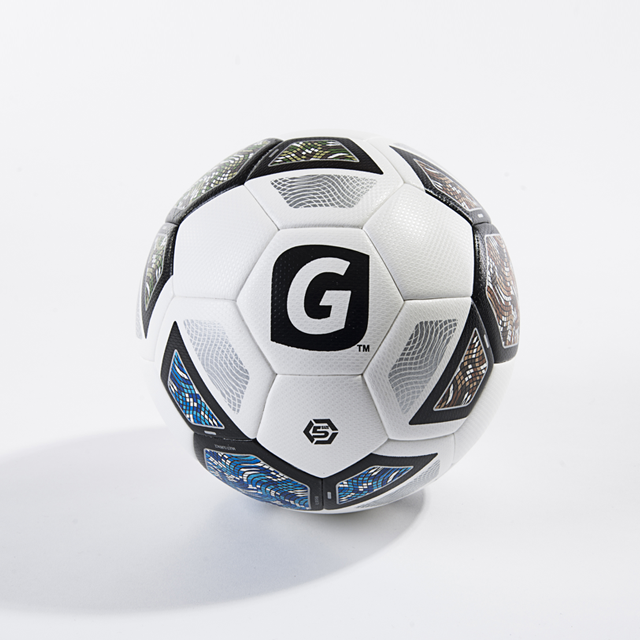
The outer cover of a thermal bonded football plays a critical role in its performance. Various materials are used, each offering unique benefits.
Polyurethane is one of the most popular materials for the outer cover of thermal bonded footballs. It provides a soft feel, which enhances the player's touch and control during play.
Benefits of PU:
● Soft Feel: Players appreciate the comfort and grip it offers.
● Excellent Touch: PU allows for precise ball control, making it easier to pass and shoot accurately.
● Abrasion Resistance: Compared to other materials, PU holds up well against wear and tear, ensuring longevity.
Material Type | Abrasion Resistance | Weather Resistance |
Polyurethane (PU) | High | Good |
Polyvinyl Chloride (PVC) | Moderate | Fair |
Synthetic Leather | High | Good |
PVC is another common outer cover material, known for its cost-effectiveness and durability. It is often used in training balls or recreational footballs.
Characteristics and Advantages:
● Cost-Effective: PVC is less expensive than PU, making it a popular choice for budget-conscious buyers.
● Durability: It can withstand rough use, making it ideal for training sessions.
Use Cases:
● Training Balls: PVC is commonly used in training footballs due to its affordability.
● Match Play: While not as common in professional matches, some lower-tier matches may use PVC footballs.
Synthetic leather is also utilized for the outer cover of thermal bonded footballs. This material aims to replicate the feel of natural leather while offering enhanced durability.
Contribution to Touch and Feel:
● Enhanced Control: Players benefit from the improved grip and feel, similar to natural leather.
● Durability: Synthetic leather is more resistant to water and wear compared to natural leather, making it suitable for various conditions.
The inner layers of a thermal bonded football contribute significantly to its overall performance and stability.
Poly-cotton layers provide essential structure and strength to the football. These layers help maintain the ball's shape during play.
Role in Structure and Strength:
● Stability: They ensure the ball holds its form, contributing to consistent performance.
● Impact on Performance: The quality of these layers directly affects responsiveness and feel during play.
Foam layers are crucial for cushioning, enhancing player comfort during use.
Importance for Cushioning:
● Enhanced Comfort: Foam provides a softer touch, making the ball easier to handle.
● Responsiveness: A well-designed foam layer can improve the ball's responsiveness, allowing for better control.
Variations in Foam Density:
● Different densities of foam can impact how the ball feels. Softer foam offers more cushioning, while denser foam provides better responsiveness for skilled players.
The bladder is the heart of the football, responsible for maintaining air pressure and shape.
Latex bladders are often preferred for premium match balls due to their excellent feel and responsiveness.
Advantages:
● Feel and Responsiveness: They provide a soft touch, making them ideal for high-level play.
● Preferred for Matches: Many professional leagues use latex bladders for their superior performance.
Disadvantages:
● Air Retention: Latex bladders tend to lose air more quickly, requiring regular inflation.
Butyl bladders are known for their superior air retention, making them ideal for training balls.
Benefits:
● Durability: They hold air for longer periods, reducing maintenance.
● Best Use Cases: Butyl bladders excel in training and recreational footballs, where longevity is essential.
Thermal bonded footballs utilize a variety of materials to enhance performance, durability, and player experience. Each component plays a significant role in creating a high-quality football that meets the demands of players at all levels.
The manufacturing of thermal bonded footballs involves a unique process where heat is used to fuse the panels together. This method eliminates the need for stitching, resulting in a seamless ball that offers numerous advantages.
Steps in the Thermal Bonding Process:
1. Panel Preparation: High-quality panels are cut from the chosen material, such as polyurethane or synthetic leather.
2. Heat Application: The edges of the panels are heated to a specific temperature. This softens the material, making it pliable.
3. Fusing Panels: The heated edges are pressed together, allowing them to bond as they cool. This creates a strong, durable seam.
4. Quality Control: After bonding, each football undergoes rigorous testing to ensure it meets performance standards.
This innovative process not only enhances the ball's durability but also improves its overall performance on the field.
When comparing thermal bonding to traditional stitching methods, several key advantages emerge. While stitched footballs have been the standard for years, the seamless construction of thermal bonded footballs offers distinct benefits.
Feature | Thermal Bonded Footballs | Traditional Stitched Footballs |
Seam Type | Seamless | Stitched |
Durability | Higher | Moderate |
Aerodynamics | Improved | Standard |
Water Resistance | Better | Variable |
Advantages of Seamless Construction:
● Improved Aerodynamics: The absence of seams reduces drag, allowing for better flight stability.
● Enhanced Durability: Seamless balls are less prone to wear and tear, leading to a longer lifespan.
● Better Water Resistance: The thermal bonding process prevents water from entering the ball, maintaining its weight and shape during wet conditions.
The choice of materials significantly impacts the thermal bonding process and overall quality of the football. Different materials require specific adhesives and construction techniques to ensure optimal performance.
Key Material Considerations:
● Adhesives: High-performance adhesives are used to bond the panels together. These adhesives must withstand various conditions while maintaining flexibility.
● Material Thickness: Thicker materials may require adjustments in heat application to ensure proper bonding without damaging the panels.
● Quality Control: Each batch of materials is tested for consistency and performance to meet industry standards.
Influence of Materials on the Process:
● PU vs. PVC: Polyurethane panels bond differently than PVC due to their unique properties. PU requires precise temperature control for effective bonding.
● Synthetic Leather: This material often needs additional treatment to enhance its bonding capabilities, ensuring a strong and durable seam.
The manufacturing process of thermal bonded footballs combines advanced techniques and high-quality materials to create a product that meets the demands of players. By understanding how these elements work together, manufacturers can produce footballs that excel in performance and durability.

The FIFA Quality Programme plays a crucial role in ensuring that thermal bonded footballs meet high standards of quality, consistency, and safety. This program sets benchmarks that manufacturers must follow to guarantee that their products perform well in competitive environments.
Key Aspects of the FIFA Quality Programme:
● Testing Procedures: Each football undergoes rigorous testing for various performance metrics. These tests assess factors like shape retention, water absorption, and durability.
● Certification Levels: FIFA offers different certification levels, such as FIFA Quality and FIFA Quality Pro, based on the ball's performance in testing.
Benefits of the FIFA Quality Programme:
● Consistency: Players can trust that certified footballs will perform reliably across different matches and conditions.
● Safety: Ensuring that footballs meet safety standards reduces the risk of injury during play.
For a thermal bonded football to be used in official matches, it must adhere to specific specifications. These specifications ensure that the ball performs consistently and meets the expectations of players and referees alike.
Specification | Required Range | Importance |
Circumference | 68-70 cm | Ensures proper size for handling and kicking. |
Weight | 410-450 grams | Affects how the ball travels and is controlled. |
Pressure | 0.6-0.8 bar | Maintains shape and responsiveness during play. |
Importance of Specifications:
● Performance Consistency: Adhering to these specifications ensures that all players experience similar ball behavior, which is crucial during matches.
● Regulatory Compliance: Compliance with these standards is necessary for any ball used in professional leagues or tournaments.
In addition to performance standards, ethical production practices are vital in the manufacturing of thermal bonded footballs. Ensuring fair labor conditions and sustainable practices is essential for the industry's integrity.
Key Considerations:
● Fairtrade Practices: Many manufacturers are adopting Fairtrade principles to ensure that workers receive fair wages and work in safe conditions.
● Sustainable Materials: Using eco-friendly
Materials play a crucial role in thermal bonded footballs. They enhance performance, durability, and weather resistance. Understanding these materials helps players choose the best football for their needs. Choosing the right football involves considering quality standards and ethical production practices. By making informed decisions, players can enjoy superior performance on the field. GLORY offers high-quality thermal bonded footballs that combine advanced materials and craftsmanship. Their products provide exceptional value, ensuring players experience the best in performance and durability.
A: Common materials include polyurethane, synthetic leather, and polyvinyl chloride (PVC), each offering unique benefits for thermal bonded footballs.
A: The thermal bonding process creates a seamless construction, which improves aerodynamics and durability in thermal bonded footballs.
A: Thermal bonded footballs provide better water resistance and longevity compared to traditional stitched models, making them ideal for various playing conditions.
A: Polyurethane offers a soft feel and excellent touch, significantly enhancing ball control during play.
A: Regularly check the pressure and store it in a cool, dry place to maintain the shape and performance of your thermal bonded football.


