

close
Choose Your Site
Global
Social Media
Views: 0 Author: Site Editor Publish Time: 2026-01-30 Origin: Site
Have you ever wondered what makes a football truly exceptional? The evolution of the game has led to innovative designs, such as thermal bonded footballs. These balls use seamless panel technology, enhancing performance and consistency on the pitch. In this post, we’ll explore how thermal bonded footballs outperform traditional stitched designs and why they matter for players and teams alike.
Thermal bonding is a modern manufacturing process used to create footballs. Instead of stitching panels together, this technique utilizes heat and pressure to fuse them seamlessly. This method results in a smooth outer layer, which enhances the ball's overall performance.
In contrast, traditional stitching methods involve sewing panels with threads, which can create weak points. These seams can lead to inconsistencies in shape and performance over time. By eliminating stitching, thermal bonded footballs maintain their integrity better and provide a more reliable experience for players.
The seamless design of thermal bonded footballs offers several advantages:
● Enhanced Aerodynamics: The lack of seams reduces drag during flight. This allows for smoother trajectories and more accurate passes. Players notice fewer unpredictable swerves, making it easier to control the ball.
● Improved Shape Retention and Sphericity: Without stitching, the ball maintains a perfect round shape. This sphericity is crucial for predictable bounces and rolls. Midfielders and strikers can trust the ball's behavior, enhancing their performance on the pitch.
● Reduction in Water Absorption: Traditional stitched balls often absorb water, increasing weight and affecting performance. Thermal bonded footballs resist moisture, keeping their weight consistent even in wet conditions. This feature ensures that players can perform at their best regardless of the weather.
The seamless construction significantly impacts the ball's flight and bounce. Players experience more consistent performance, which is vital during high-pressure situations.
Feature | Traditional Stitched Balls | Thermal Bonded Footballs |
Aerodynamics | Moderate drag | Minimal drag |
Shape Retention | Prone to distortion | Maintains perfect shape |
Water Absorption | High | Low |
Performance Consistency | Variable | Highly consistent |
With these benefits, thermal bonded footballs are becoming the preferred choice for professional teams. They provide athletes with the reliability they need to excel in matches. As the game evolves, so does the technology behind the equipment, making seamless panel technology a game-changer in football.
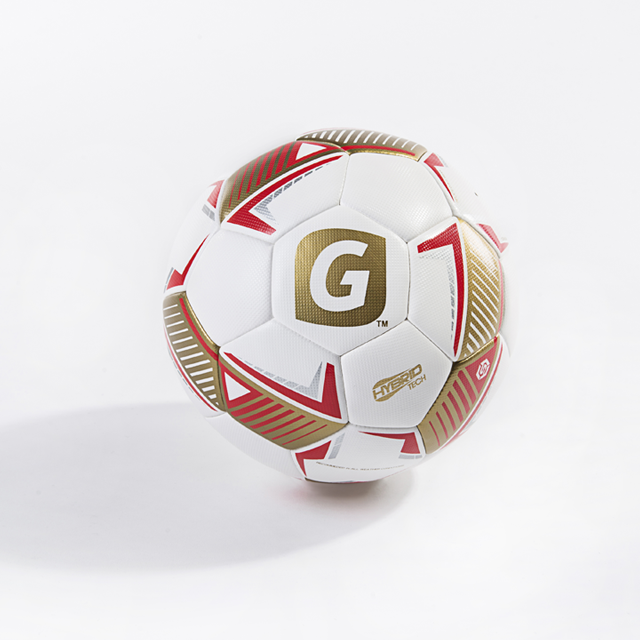
Thermal bonded footballs excel in flight stability due to their aerodynamic design. The seamless construction minimizes drag, allowing air to flow smoothly over the ball's surface. This streamlined airflow results in more predictable trajectories, which is crucial for players during long-distance passes and shots.
When players kick a thermal bonded football, they notice a significant improvement in shooting accuracy. The ball maintains its intended path better than traditional stitched balls, which can veer off course due to irregularities. This reliability is essential in high-pressure situations, where every shot counts.
The touch and control of thermal bonded footballs are unmatched. The seamless PU outer layer provides a uniform surface, enhancing touch sensitivity. Players can feel the ball better during dribbling and passing, which boosts their confidence on the pitch.
Ball Type | Touch Sensitivity | Player Feedback |
Traditional Stitched Balls | Moderate | Inconsistent feel |
Thermal Bonded Footballs | High | Enhanced control and responsiveness |
Players often report that the texture of thermal bonded footballs enhances grip. The micro-patterns on the surface help maintain control, especially during fast-paced play. This grip allows players to execute precise movements, such as quick turns and sudden stops, without losing connection with the ball.
Durability is another significant advantage of thermal bonded footballs. The absence of stitched seams reduces the risk of wear and tear, making these balls more resilient during intense training sessions and matches. Players can rely on them to withstand the rigors of the game without compromising performance.
Moreover, thermal bonded footballs demonstrate impressive longevity in various weather conditions. They resist moisture absorption, which means they retain their weight and shape even in rain. This stability is crucial for professional training and matches, where consistent performance is key.
● Training Consistency: Teams can use the same ball for training and matches, ensuring familiarity and comfort.
● Cost-Effectiveness: Fewer replacements lead to lower costs over time, making thermal bonded footballs a smart investment for clubs.
● Performance Reliability: Players can focus on their game without worrying about equipment failure due to wear.
In summary, the performance advantages of thermal bonded footballs stem from their superior flight stability, enhanced touch and control, and impressive durability. These factors make them an essential choice for both amateur and professional players looking to elevate their game.
Thermal bonded footballs are primarily made from high-quality polyurethane (PU). This material is favored for its durability and performance characteristics. PU provides a soft touch while maintaining strength, making it ideal for the demands of modern football.
In addition to PU, thermal bonded footballs may incorporate other materials, such as polyester and rubber. These materials enhance specific features, like grip and water resistance. The choice of materials significantly impacts the ball's overall performance, including how it feels during play and how well it withstands various conditions.
Material | Benefits | Impact on Performance |
Polyurethane (PU) | Soft touch, durable | Enhances ball control and shooting feel |
Polyester | Lightweight, strong | Improves overall ball resilience |
Rubber | Water-resistant, flexible | Reduces weight gain in wet conditions |
Players often notice the difference in feel between a thermal bonded football and traditional stitched balls. The seamless construction allows for a more consistent surface, leading to better ball handling and more precise passing.
The design of the panels on thermal bonded footballs plays a crucial role in how the ball behaves during play. Common configurations include 6-panel and 32-panel designs. Each design influences aspects like bounce, roll, and control.
● 6-Panel Design: This configuration offers fewer seams, which can enhance aerodynamics. Players often find these balls to be more stable during flight, making them ideal for long passes and shots.
● 32-Panel Design: More panels mean more seams, which can affect the ball's shape and performance. However, this design can also provide a more textured surface, enhancing grip and control.
The number and shape of panels directly impact how the ball bounces and rolls on the ground. For instance, a well-balanced ball with a spherical shape will roll predictably. On the other hand, a ball with irregularities may bounce unpredictably, making it harder for players to control.
Panel Configuration | Bounce Quality | Roll Consistency | Control Level |
6-Panel | High | Consistent | Excellent |
32-Panel | Moderate | Variable | Good |
Sphericity refers to how close the shape of the ball is to a perfect sphere. This characteristic is vital for consistent performance. A perfectly spherical ball will exhibit predictable flight patterns and bounce behavior.
When the ball maintains its shape, players can rely on its performance, whether they're passing, shooting, or dribbling. Any distortion can lead to erratic movement, making it difficult for players to predict how the ball will behave.
In summary, the materials and panel designs used in thermal bonded footballs are carefully chosen to enhance performance. Understanding these elements helps players appreciate the technology behind their equipment, ultimately improving their game.
In recent years, many professional teams have embraced thermal bonded footballs for their superior performance. Leagues such as the English Premier League and tournaments like the FIFA World Cup have featured these innovative designs. The seamless construction provides players with a reliable ball that performs consistently under pressure.
Many professional players have shared their positive experiences with thermal bonded footballs. For example, renowned striker Lionel Messi has praised the ball's touch and stability, stating, "It feels like an extension of my foot." Goalkeepers also appreciate the predictability of the ball's movement, which allows for better positioning during saves.
Player Position | Feedback | Key Benefits |
Striker | "Excellent control and accuracy." | Enhanced shooting precision |
Goalkeeper | "Predictable flight path helps in saves." | Improved reaction time |
Midfielder | "Great feel for passing and dribbling." | Better ball handling |
Goalkeepers and midfielders provide valuable insights regarding thermal bonded footballs. Goalkeepers often highlight the ball's consistent flight and how it reduces uncertainty during matches. This reliability allows them to focus on their positioning and reactions.
Midfielders, on the other hand, appreciate the enhanced touch and control that thermal bonded footballs offer. The seamless surface allows for precise passing and dribbling, essential for orchestrating plays. Many players report feeling more confident when using these balls during high-stakes games.
Coaches have also recognized the advantages of thermal bonded footballs in both training and match scenarios. They emphasize the importance of consistency in training equipment. When players practice with the same type of ball they use in games, it leads to improved performance and confidence.
● Consistency in Training: Coaches believe that using thermal bonded footballs during training helps players develop muscle memory. This consistency translates into better performance during matches.
● Enhanced Focus: With reliable equipment, players can concentrate more on their tactics rather than worrying about ball behavior. This focus is crucial for developing skills and executing strategies effectively.
Coaching Insight | Impact on Players |
Consistent training equipment | Builds trust in ball performance |
Improved muscle memory | Enhances skill execution during matches |
Greater focus on tactics | Allows for strategic development and execution |
By integrating thermal bonded footballs into their training and match routines, teams are setting a new standard for performance. The feedback from players and coaches alike underscores the significant impact these balls have on the game, making them a preferred choice at all levels of play.
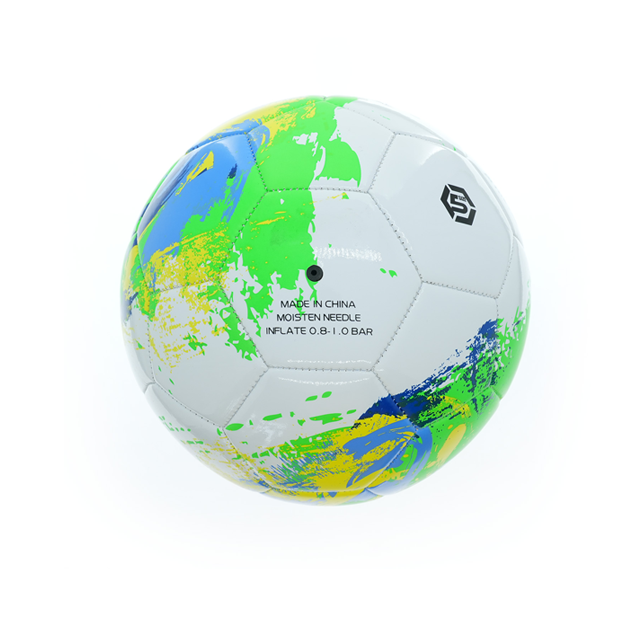
When discussing footballs, it’s essential to understand the differences between thermal bonded, hand-stitched, and machine-stitched balls. Each type has its pros and cons, making them suitable for different scenarios.
Ball Type | Pros | Cons |
Thermal Bonded | Seamless design enhances aerodynamics | Generally more expensive |
Consistent performance in various conditions | Limited availability in some regions | |
Hand-Stitched | High-quality craftsmanship | Prone to wear and tear over time |
Excellent touch and control | Less consistent performance | |
Machine-Stitched | Cost-effective and widely available | May have seams that affect aerodynamics |
Good durability for recreational use | Performance can vary based on manufacturing |
● Thermal Bonded Footballs: These are ideal for professional matches and high-level training sessions. Their reliability and consistent performance make them perfect for players who demand the best from their equipment.
● Hand-Stitched Balls: Often used in premium leagues and tournaments, these balls offer exceptional touch, making them suitable for skilled players who prioritize ball feel.
● Machine-Stitched Balls: Best for casual play and training, these balls are affordable and durable, making them popular among youth leagues and recreational players.
Hybrid footballs combine features from both thermal bonded and stitched designs. They typically have a stitched outer layer for durability while incorporating thermal bonding techniques to enhance performance.
Hybrid footballs utilize a mix of materials and construction methods. This approach allows manufacturers to create a ball that retains the benefits of both types. For example, the stitched surface provides a traditional feel, while the bonded sections improve aerodynamics.
● Thermal Bonded Balls: Best for advanced training sessions where precision and consistency are crucial. They help players develop skills in realistic match conditions.
● Hybrid Balls: Suitable for varied training environments, especially where durability is needed. They can withstand rough surfaces while still offering good performance.
● Machine-Stitched Balls: Ideal for youth training and casual play, where cost and durability are more critical than performance.
Understanding these differences helps players and coaches choose the right football for their needs, ensuring they get the best possible experience on the field.
Players and teams should consider switching to thermal bonded footballs for their numerous performance benefits. These balls offer enhanced aerodynamics, consistent flight stability, and improved touch, aligning perfectly with the demands of modern football. The seamless design reduces water absorption and increases durability, making them ideal for both training and matches. The impact of technology on football is significant, and embracing these advancements can elevate performance. Readers are encouraged to explore thermal bonded options, like those offered by GLORY, which provide exceptional value and quality for all players.
A: A thermal bonded football is a type of ball constructed using seamless technology, enhancing its aerodynamics and performance.
A: Thermal bonded footballs offer superior flight stability and consistent touch, making them ideal for modern football demands.
A: Players should choose thermal bonded footballs for their durability and reliable performance, which helps improve skills during practice.
A: Yes, thermal bonded footballs typically cost more due to their advanced technology and enhanced performance features.
A: To maintain a thermal bonded football, keep it clean and store it in a cool, dry place to preserve its shape and performance.


